
Moving to a new home can be exciting, but the process is not always as straightforward as packing everything into boxes and transporting it directly to your new address. Sometimes there is a gap between moving out and moving in. Other times, your new home may not have enough space for everything right away, or you may need temporary storage while renovating, downsizing, or coordinating a long-distance move.
That is where self-storage can become a valuable part of your moving plan.
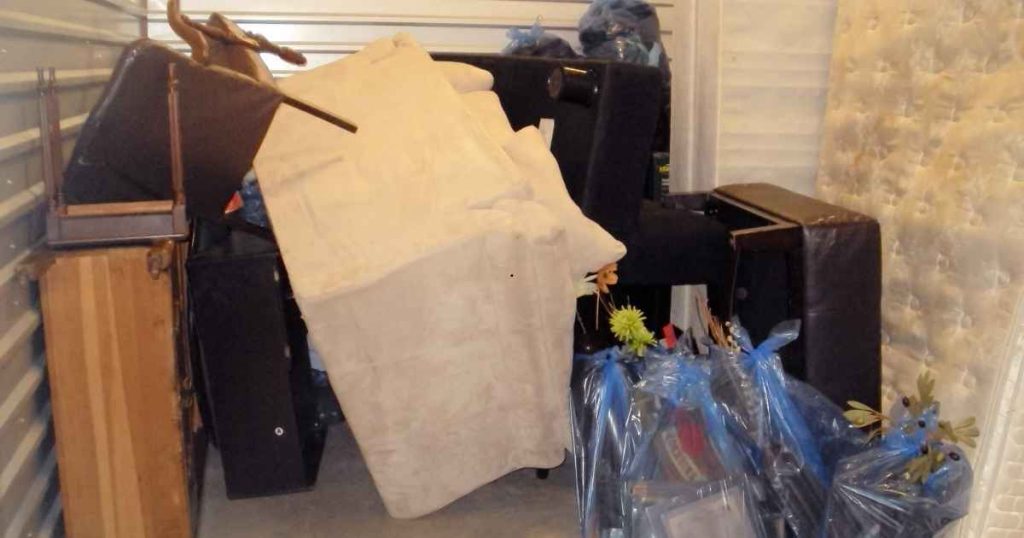
Self-storage gives you a temporary place to keep furniture, boxes, appliances, seasonal belongings, and other household items while you manage the transition. Instead of rushing decisions or overcrowding your new space, you can move your belongings into storage and retrieve them when you are ready.
For homeowners and renters planning a move, understanding when and why storage may be useful can make the entire process more organized.
Self-storage is a temporary storage solution where your belongings are kept in a designated storage unit for a specific period. Depending on your needs, you may use storage for a few days, several weeks, or multiple months.
Storage can be particularly helpful when your moving timeline does not line up perfectly. For example, you might need to leave your current home before your new home is ready. Rather than transporting everything twice or leaving belongings with friends and family, you can use a storage unit as a temporary holding space.
Many moving companies also offer or coordinate Storage Solutions as part of their broader moving services.
Not every move requires storage, but several situations make it especially useful.
One of the most common reasons people use storage is a gap between homes.
Suppose your lease ends on June 30, but you cannot move into your new home until July 10. You still need somewhere to keep your furniture and other belongings during those ten days.
A storage unit can bridge that gap and prevent you from having to make complicated arrangements.
Moving from a large house to a smaller apartment or condominium often requires difficult decisions about what to keep.
Instead of immediately getting rid of items you may still want, temporary storage gives you time to decide. You can move less frequently used belongings into storage while determining what fits comfortably in your new home.
This can be especially helpful for sentimental items, seasonal decorations, extra furniture, or belongings you may need later.
If your new home is being remodeled, having all your furniture inside can make the work more difficult.
Furniture and boxes can get in the way of contractors, increase the risk of damage, and make rooms harder to access. Moving those belongings into storage temporarily can create a cleaner workspace while renovations are underway.
Once the work is finished, you can bring your belongings into the newly prepared space.
If you are selling your current home, reducing clutter can make rooms look larger and more appealing to potential buyers.
Large furniture, excessive decorations, and boxes can make a home feel crowded. Placing some belongings in storage can help create a more organized appearance without forcing you to permanently part with them.
Long-distance moves can involve complicated schedules, travel arrangements, and delivery timelines.
If your belongings cannot arrive at your destination at the same time you do, storage may provide a convenient temporary solution. This can give you greater flexibility while coordinating the different stages of your move.
For major relocations, professional Long Distance Moving services can help coordinate transportation and logistics.
Self-storage is not simply about having somewhere to put boxes. It can make the moving process more flexible and manageable.
Storage allows you to separate the physical move from your final unpacking process. You do not have to make every decision at once.
Keeping extra belongings out of your living space can make both your old and new homes easier to organize.
Temporary storage creates more room for painting, flooring, remodeling, repairs, and other home improvement projects.
A tight moving schedule can create unnecessary pressure. Having a temporary storage option gives you an additional layer of flexibility if plans change.
Instead of having boxes scattered throughout your home, you can keep less frequently needed items in one designated location.
The best items for storage are generally things you do not need immediately.
These may include:
Before placing anything in storage, make sure the facility allows the items you plan to store. Certain materials, perishable goods, hazardous substances, and other restricted items may not be permitted.
Storage should not become a place for everything you own.
Keep essential items accessible, particularly those you will need immediately after arriving at your new home. Important documents, medications, toiletries, basic clothing, electronics, chargers, valuables, and essential household supplies should generally travel with you or remain easily accessible.
Creating an “essentials” box can also make your first night in the new home much easier.
Storage is not limited to residential relocations.
For a Local Moving project, temporary storage can help when there is a short scheduling gap or when you are renovating your new property.
For Commercial Moving, businesses may need temporary space for office furniture, equipment, inventory, or supplies during a relocation.
Storage can also be useful for Specialized Moving situations where certain belongings require additional planning and coordination.
If you are relocating across the country, Cross Country Moves may also benefit from temporary storage when delivery schedules and move-in dates do not align.
Self-storage can take some of the pressure out of moving when your schedule, space, or circumstances make a direct move impractical. Whether you are dealing with a gap between homes, downsizing, renovating, staging a property, or completing a long-distance relocation, temporary storage can give you greater flexibility.
The goal is not simply to find somewhere to put your belongings. It is to create a moving plan that keeps your possessions organized, accessible when needed, and protected during the transition.
With the right planning and professional support, storage can become a useful part of a smoother, more organized move.
If you are planning an upcoming relocation and need help coordinating transportation or storage, contact American Moving Guys to discuss your moving needs.