
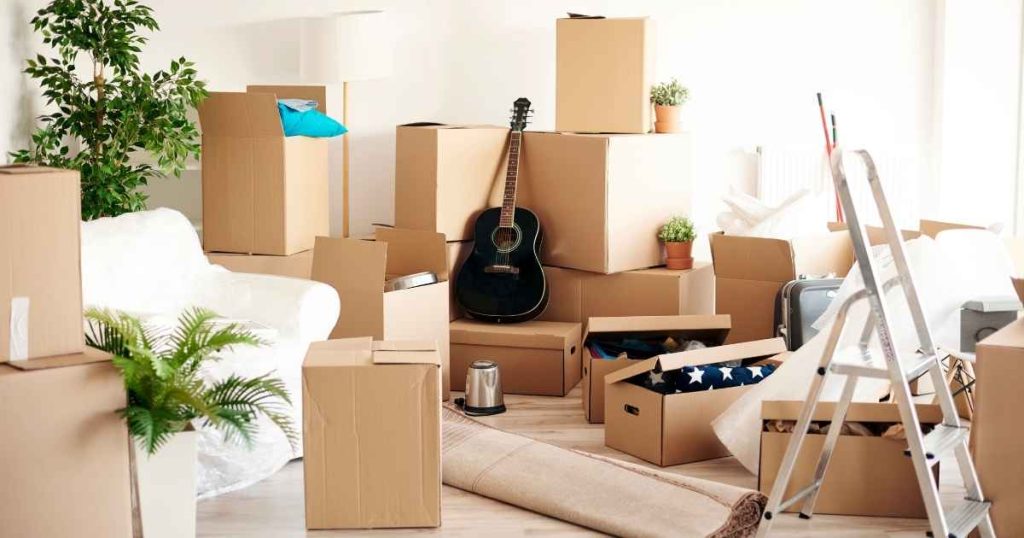
Moving to a new home is an opportunity for a fresh start, but packing everything you own can make the process feel overwhelming. Over the years, it’s easy to accumulate clothes, furniture, appliances, paperwork, decorations, and other belongings that you no longer use. Taking the time to declutter before moving can make the entire process more manageable—and potentially reduce your moving costs.
The less you have to pack, transport, and unpack, the simpler your move can be. Whether you’re planning a local move, a long-distance relocation, or a cross-country move, a thoughtful decluttering strategy can help you save time, space, and money.
American Moving Guys provides professional moving services designed to help customers with different types of relocations. You can learn more about the company’s moving services before planning your move.
Moving costs are often influenced by how much you’re transporting. More belongings can mean more boxes, more packing materials, more labor, and potentially more space needed in a moving truck.
Decluttering can help reduce those demands.
For example, getting rid of an old bookshelf you never use means you don’t have to:
The same principle applies to smaller belongings. Eliminating unnecessary items before packing can make the entire moving process more efficient.
One of the biggest mistakes people make is waiting until moving week to decide what they want to keep.
Instead, begin several weeks before your move.
Starting early gives you enough time to sort through your belongings without making rushed decisions. It also gives you time to sell valuable items, donate usable belongings, recycle materials, and properly dispose of things that cannot be reused.
A simple approach is to declutter one room or category at a time.
You could start with:
Beginning with areas that contain items you rarely use can make the process easier.
A simple sorting system can make decluttering much easier.
Create four categories:
These are items you regularly use, genuinely need, or strongly value.
These are items that are still useful or valuable but no longer have a place in your life.
Furniture, electronics, appliances, collectibles, and certain clothing items may be good candidates for resale.
Items that are in good condition but aren’t worth the effort of selling can often be donated to local organizations or community groups.
Broken, damaged, expired, or unusable items should be responsibly discarded or recycled whenever possible.
The goal isn’t to throw away everything you haven’t used recently. Instead, you’re deciding whether each item deserves the space, effort, and cost required to move it.
Moving heavy furniture across a longer distance introduces additional considerations. Items need to be securely packed and protected throughout transportation.
Before a long-distance move, consider:
Professional long-distance moving services can help coordinate transportation when a relocation extends beyond a local move.
Furniture can take up a substantial amount of space and may contribute significantly to moving costs.
Before deciding to transport every piece, measure your new home and determine what will actually fit.
Consider:
A large piece of furniture that doesn’t fit your new space may not be worth moving.
Selling or donating unwanted furniture before moving day can also make loading and unloading easier.
If you’re planning a larger relocation, including a long-distance move, reducing unnecessary furniture can be especially useful because you’re transporting your belongings over a greater distance.
Garages, basements, attics, and storage areas are often filled with things people haven’t used in years.
These spaces deserve special attention because they can contain bulky items that are expensive and inconvenient to move.
Look for:
Be careful when sorting potentially hazardous materials. Paint, chemicals, fuel, and certain other substances may have special disposal requirements and may not be appropriate for transportation by a moving company.
Decluttering can reduce moving expenses in several ways.
First, fewer belongings generally means less packing material. Second, reducing bulky items can make loading and transportation more efficient. Third, fewer possessions mean less time spent packing and unpacking.
You may also avoid paying to transport belongings that you would eventually donate or discard after arriving at your new home.
The exact savings will depend on factors such as the size of your move, the distance you’re traveling, the amount of labor required, and the services you choose.
Decluttering before a move isn’t just about getting rid of things. It’s about making intentional decisions about what deserves a place in your next home.
By starting early, sorting belongings into clear categories, selling or donating unwanted items, and creating an organized inventory, you can make the moving process simpler and potentially reduce unnecessary costs.
Whether you’re planning a local move, long-distance relocation, commercial move, or specialized move, preparation can make a significant difference.
When you’re ready to plan your relocation, learn more about American Moving Guys and its moving services, or contact the team to discuss your moving needs.