
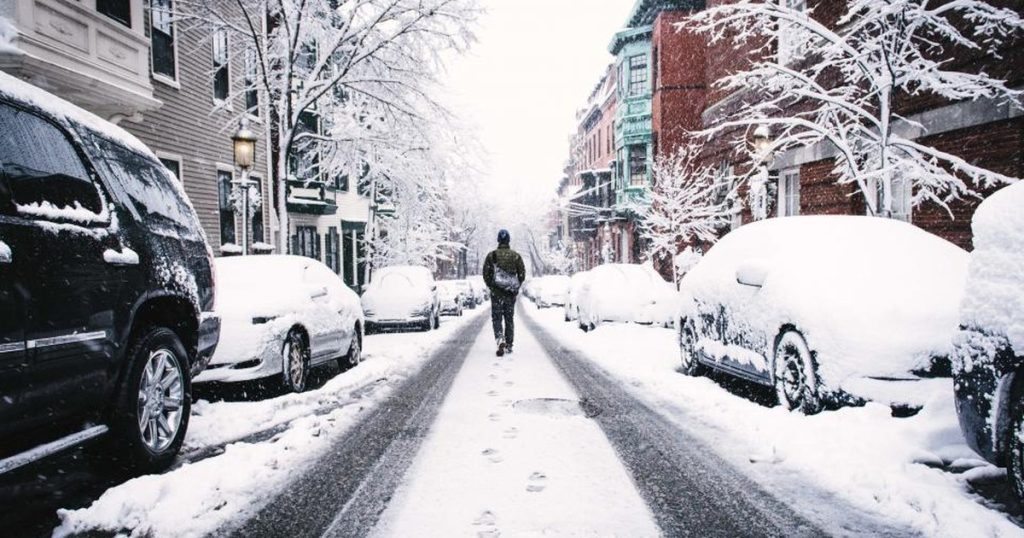
Moving in winter has its advantages. Moving companies often have more open dates, and you may be able to settle in before the spring rush. But cold weather brings its own set of challenges, and many of them have to do with what happens to your belongings once they leave the house. Freezing temperatures can crack, warp, or damage items that would travel perfectly well in summer, and snow, ice, and slush add moisture to the mix.
The good news is that most cold-weather damage is preventable with the right packing and a little planning. Here’s how to protect your things from the moment you start packing until they’re safely inside your new home.
Not everything in your home reacts to cold the same way. Some items need extra attention:
Make a list of these items early so you can pack them with extra care, or plan to move some of them in your own heated car.
Good packing protects against cold as well as bumps. Use plenty of padding around fragile items. Bubble wrap, packing paper, moving blankets, and even towels and sweaters help insulate as well as cushion. Fill empty space in boxes so items don’t shift, and double-box particularly delicate pieces.
For electronics, the original boxes are ideal because they’re designed to fit snugly. If you don’t have them, wrap each device in an anti-static layer, then a blanket, and pack it in a sturdy box. Wrap wood furniture in moving blankets rather than plastic alone, since plastic can trap moisture against the surface.
Snow and slush are just as much of a threat as the cold itself. Wet cardboard loses its strength quickly, and moisture that gets into boxes can damage books, documents, fabrics, and electronics. A few precautions help a lot:
It also helps to clear and salt walkways, steps, and driveways before the crew arrives, which keeps everyone safer while carrying heavy items.
Liquids that freeze in a cold truck can expand and leak, ruining everything around them. Use up or give away what you can before moving day, and transport the rest in your own heated vehicle. Many moving companies won’t carry certain liquids like paint, propane, or other hazardous materials at all, so check the list ahead of time.
Houseplants should also ride with you. Wrap them loosely in paper or a light sheet to protect them from cold air during the short trips between the house and the car, and get them inside as quickly as possible on arrival.
One of the most common winter-moving mistakes happens after everything arrives safely. When cold electronics come into a warm house, condensation can form inside them. Turning them on right away can cause damage. Give TVs, computers, and other devices a few hours to reach room temperature before plugging them in.
The same goes for instruments and wood furniture. Let them adjust gradually rather than placing them right next to a heater or fireplace. If you’re also moving in hotter months sometime, our guide to protecting your belongings from the heat covers the opposite problem.
Check the forecast several days ahead and keep checking right up to moving day. Have a backup plan if a major storm is expected, and talk to your movers about how they handle bad weather. Start early to make the most of daylight, which is limited in winter, and make sure the heat and utilities are on at your new home before you arrive so items aren’t sitting in a cold house.
If you’re moving during December, our tips for a stress-free holiday move can help you balance the move with everything else going on that month.
Experienced movers know how to protect belongings in cold weather. They use padded blankets, load trucks carefully to prevent shifting, and move quickly to limit how long items spend in the cold. They also know how to work safely on icy steps and driveways, which protects both your belongings and your home.
If you’re planning a winter move, our team can help with packing, loading, and transport so your things arrive in the same condition they left. Take a look at our moving services or contact us for a free quote.