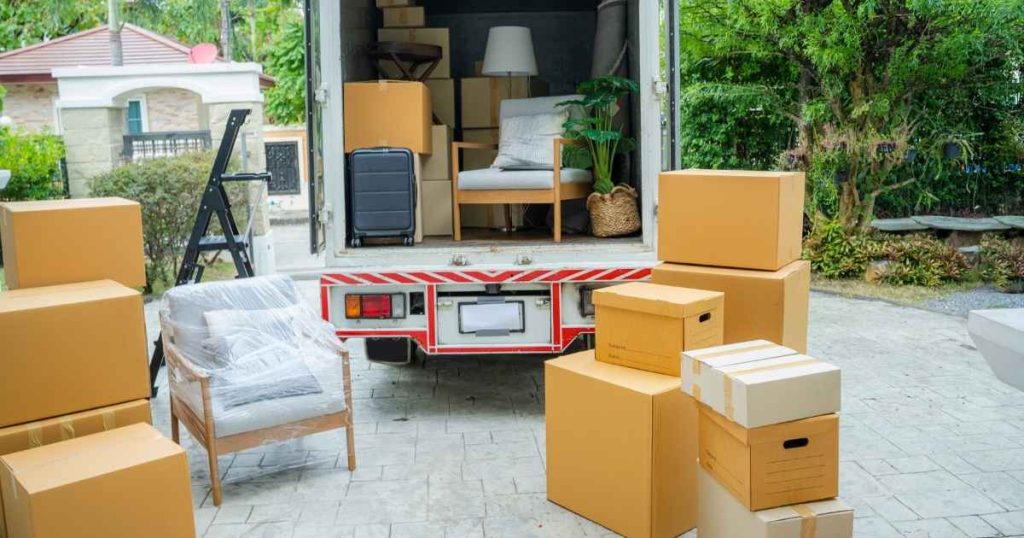
Moving an Apartment vs. a House: What's Different?
Moving to a new place can be exciting, but the process can look very different depending on whether you’re leaving an apartment or a house. From parking and stairs to the amount of furniture you have, several factors can affect how long your move takes and how much it costs.
Apartment Moves Often Require More Planning
Apartment moves can be challenging because of shared entrances, elevators, narrow hallways, and limited parking. If your apartment is on an upper floor, movers may need to use an elevator or navigate stairs while carrying heavy furniture.
Many apartment buildings also have specific moving rules. You may need to reserve an elevator, provide proof of insurance, or schedule your move during designated hours. Checking these requirements ahead of time can help prevent delays.
For apartment relocations, working with an experienced local moving team can make it easier to coordinate the details.
House Moves Usually Involve More Belongings
Moving from a house often means dealing with a larger volume of furniture and personal belongings. Garages, basements, attics, spare bedrooms, and outdoor areas can add considerably to the amount that needs to be packed and transported.
House moves may also involve larger or heavier items, such as outdoor furniture, lawn equipment, appliances, and specialty items. Creating an inventory before moving day can help you determine how much space and assistance you’ll need.
Access and Parking Can Make a Difference
One major difference between apartment and house moves is accessibility. Houses often provide direct access through a driveway or garage, making it easier to load a moving truck. Apartments may require movers to carry items a longer distance from the unit to the vehicle.
However, houses aren’t always easier. Narrow driveways, gates, steep walkways, or limited street parking can create their own challenges.
Moving Costs Can Vary
The cost of a move depends on factors such as the amount of belongings, distance, number of movers, moving date, and accessibility. An apartment with an elevator and minimal furniture may cost less to move than a large house, while a small apartment with several flights of stairs could require additional time and labor.
If you’re relocating to another city or state, long-distance moving services can help manage transportation and logistics.
How to Prepare for Either Move
Regardless of where you’re moving from, preparation is one of the best ways to make moving day easier. Start packing early, label boxes by room, remove items you no longer need, and measure large furniture to make sure it will fit through doors and hallways.
If your move involves a gap between your old and new homes, storage solutions can also provide temporary space for your belongings.
Whether you’re leaving an apartment or a house, choosing the right moving team can make the entire process more organized and less stressful. American Moving Guys offers moving solutions designed to accommodate different types of relocations and moving needs.
Avoid Moving Alone
Storage is not limited to residential relocations.
For a Local Moving project, temporary storage can help when there is a short scheduling gap or when you are renovating your new property.
For Commercial Moving, businesses may need temporary space for office furniture, equipment, inventory, or supplies during a relocation.
Storage can also be useful for Specialized Moving situations where certain belongings require additional planning and coordination.
If you are relocating across the country, Cross Country Moves may also benefit from temporary storage when delivery schedules and move-in dates do not align.
Final Thoughts
A piano is both a valuable piece of furniture and a sensitive musical instrument. Proper handling requires planning, specialized equipment, and experience. Professional movers can reduce the risk of damage while making the process safer for everyone involved.
If you’re planning a piano relocation along with a household move, you can explore American Moving Guys’ moving services or contact the team to discuss your moving needs.