
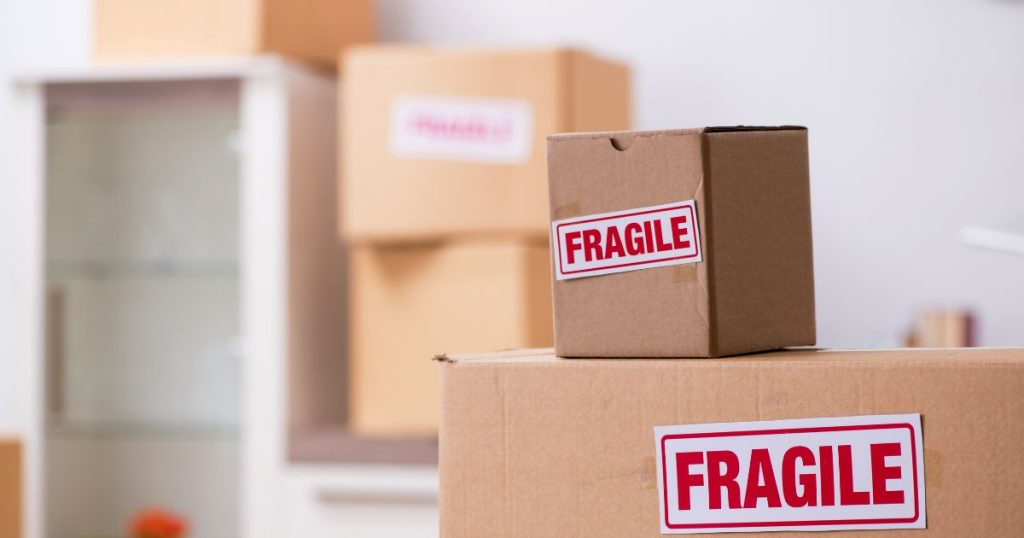
Moving can be exciting, but it also comes with a fair share of stress—especially when fragile items are involved. Whether you’re transporting family heirlooms, glassware, electronics, artwork, or delicate decorations, improper packing can lead to costly damage and unnecessary frustration. Professional movers know that protecting fragile belongings requires more than simply wrapping them in newspaper and placing them in a box.
By using the right materials and techniques, you can significantly reduce the risk of breakage and ensure your valuables arrive safely at their destination. Here are professional packing tips that can help you protect your fragile items during any move.
One of the biggest mistakes people make is trying to save money on packing materials. Weak boxes, worn-out tape, and inadequate cushioning can increase the chances of damage during transportation.
Professional movers typically use:
Investing in quality supplies is often far less expensive than replacing damaged belongings. If you want additional assistance, professional moving services can provide the materials and expertise needed to protect your most valuable possessions.
Many people assume larger boxes are better, but oversized boxes can create problems when packing fragile items.
Heavy or delicate objects should be packed in smaller boxes because they:
Always select a box that closely matches the size of the item being packed while leaving enough room for protective cushioning.
Professional movers rarely place fragile items directly into a box without wrapping them first.
Each item should be individually protected using:
When wrapping glass or ceramic items, ensure all surfaces are covered. Secure the wrapping with tape, but avoid placing tape directly on delicate surfaces.
Individual wrapping prevents items from striking each other during loading, unloading, and transportation.
Kitchen items are among the most commonly damaged possessions during a move. Plates, bowls, glasses, and serving dishes require special attention.
For dishes:
For glasses:
Label boxes clearly so movers know they contain fragile contents.
A common packing mistake is protecting only the top of an item. Professional movers create a protective cushion around every side.
Before placing fragile belongings into a box:
Nothing inside the box should be able to move when gently shaken. Empty spaces allow items to shift and collide during transport.
Modern electronics can be both fragile and expensive. Whenever possible, use original manufacturer packaging because it is specifically designed to protect the equipment.
If original boxes are unavailable:
Many homeowners rely on specialized packing and electronics handling offered through professional moving and relocation solutions when transporting valuable equipment.
Mirrors, framed artwork, and glass-covered pictures require special packing methods.
Professional movers often:
Never place heavy items on top of mirrors or framed artwork during transportation. Keeping these items upright can also help reduce stress on the glass.
Proper labeling is one of the simplest yet most effective ways to protect fragile belongings.
Every fragile box should include:
While labels alone cannot prevent damage, they provide valuable guidance during loading and unloading.
When working with experienced teams such as those found through American Moving Guys, clear communication and proper labeling help ensure items receive the attention they require throughout the moving process.
Trying to fit too many items into a single box often leads to broken belongings. Overpacked boxes become difficult to lift and place excessive pressure on delicate items.
Instead:
Professional movers prioritize safety over squeezing everything into the fewest number of boxes possible.
Some belongings carry significant monetary or sentimental value. Antique collections, fine china, collectibles, and family heirlooms may require advanced packing techniques and specialized materials.
Professional packing services can save time while reducing the risk of damage. Experienced movers understand how to protect fragile belongings during local moves, long-distance relocations, commercial transitions, and specialty transportation projects.
Whether you’re planning a household move or coordinating a large relocation, working with experts who offer comprehensive moving services and support can provide additional peace of mind.
Packing fragile items properly requires preparation, patience, and attention to detail. Using sturdy boxes, quality packing materials, proper wrapping techniques, and adequate cushioning can dramatically reduce the risk of damage during a move.
Professional movers follow proven strategies to protect delicate belongings because they understand that even minor mistakes can result in costly losses. By applying these same techniques, you can safeguard your valuables and enjoy a smoother moving experience from start to finish. Whether you’re moving across town or across the country, careful packing is one of the best investments you can make for a successful relocation.